Skating Classes
 Skating Training
Build Skating Skills With Guided Practice
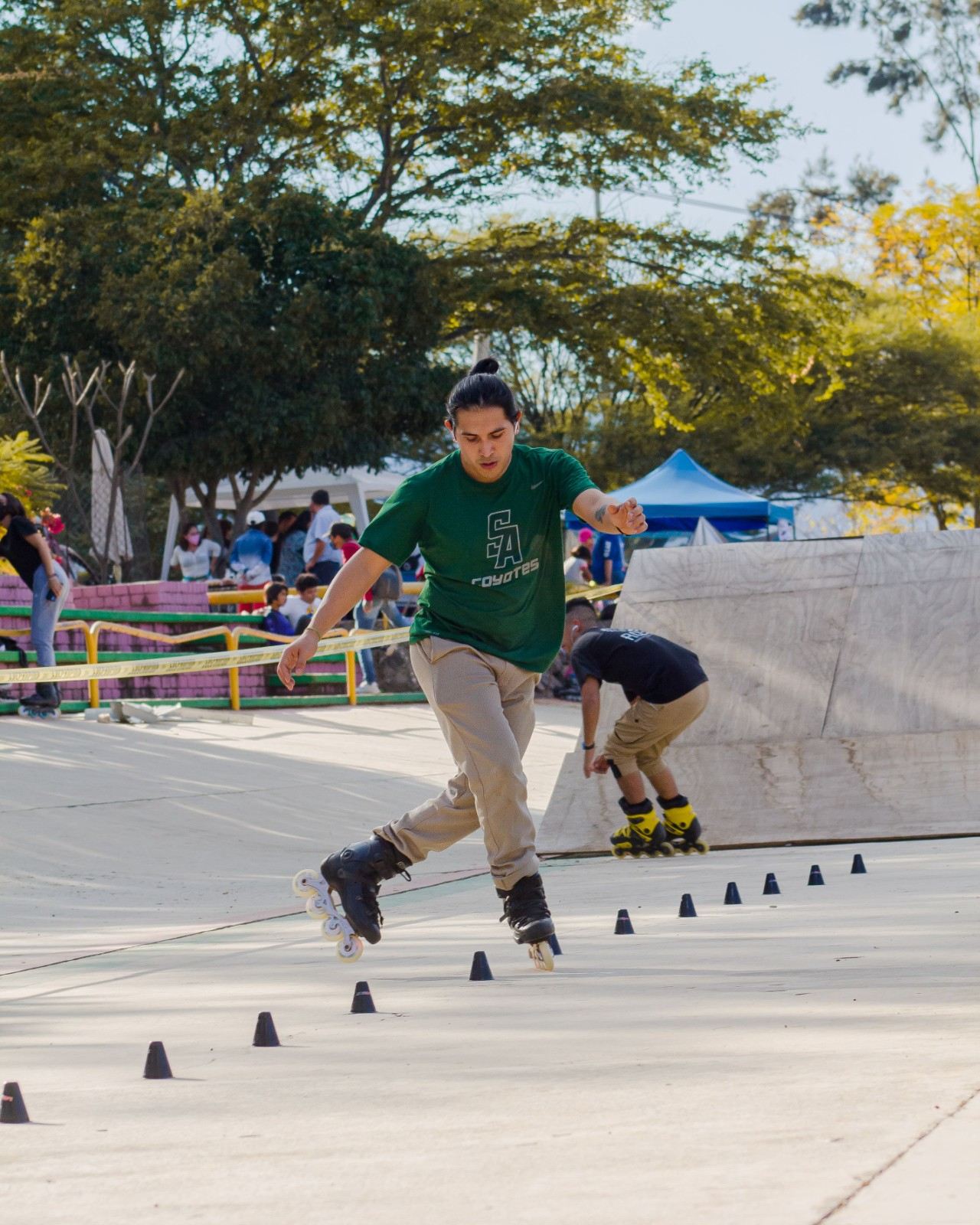
Our skating classes help learners develop balance, coordination, movement control, and confidence on skates through structured practice. Training covers skating posture, basic gliding, starting and stopping, turning, speed control, and safe movement techniques. Learners take part in guided drills, balance exercises, skating patterns, and progressive activities designed to improve stability, control, coordination, and overall skating ability at a comfortable learning pace.
-

Balance And Skating Control
Learn stable skating posture, balance, gliding, weight transfer, and controlled movement through step-by-step skating practice exercises.
-
Turning And Speed Techniques
Practise safe stopping, turning, forward movement, direction changes, speed control, and skating coordination through progressive training activities.
Skating Training Areas
Develop Skating Skills
With
Progressive Practice Sessions

Balance And Gliding
Build skating stability through posture, weight transfer, basic gliding, balance exercises, controlled movement, and introductory drills suited to each learner's ability.
Turning And Stopping
Practise safe stopping methods, smooth turns, direction changes, edge control, forward movement, and body coordination through guided skating technique exercises.
Speed And Movement
Improve skating rhythm, speed control, stride technique, agility, directional movement, and overall coordination through structured skating drills and practical exercises.
 Skating Class Plans
Choose Your Skating
Class Plan
Improve balance, skating control, movement, and confidence through guided exercises, technique practice, and progressive skating sessions.
Basic Skating Plan
- Introduction to skating equipment and safety
- Correct skating posture and body balance
- Basic standing and movement techniques
- Forward gliding and controlled skating
- Simple weight shifting exercises
- Basic stopping and speed control practice
- Beginner turning and direction changes
- Coordination and skating confidence drills
Skill Building Plan
- Improved balance and smoother movement
- Forward stride and controlled gliding practice
- Turning techniques and edge control exercises
- Braking and speed management drills
- Backward movement and coordination
- Agility exercises with directional changes
- Improved rhythm and skating body control
- Practical skating patterns and movement drills
Advanced Skating Plan
- Advanced balance and movement control
- Faster stride development and speed practice
- Complex turns and directional transitions
- Advanced braking and controlled acceleration
- Backward skating and transition techniques
- Agility, rhythm, and reaction-based exercises
- Advanced skating patterns and technical drills
- Performance-focused practice and movement
Note: Skaters should bring suitable skates, protective equipment, and comfortable sportswear appropriate for skating activities. Additional safety equipment may vary according to the session. All courses include a certificate upon completion, with classes available on both weekdays and weekends for flexible scheduling.
Skating Training Process
Progressive Skating Practice Improves Balance
Master Basic Skating Skills
Begin with correct skating posture, standing balance, basic gliding, weight shifting, and safe movement techniques to create a comfortable foundation on skates.
Improve Technique Through Drills
Practise forward skating, turning, stopping, stride control, directional changes, coordination, and speed management through progressive skating exercises.
Build Confidence On Skates
Apply learned techniques through movement patterns, agility activities, controlled skating exercises, and practical sessions that encourage stability and confident skating.
SKATING CLASSES
Balance • Glide • Improve
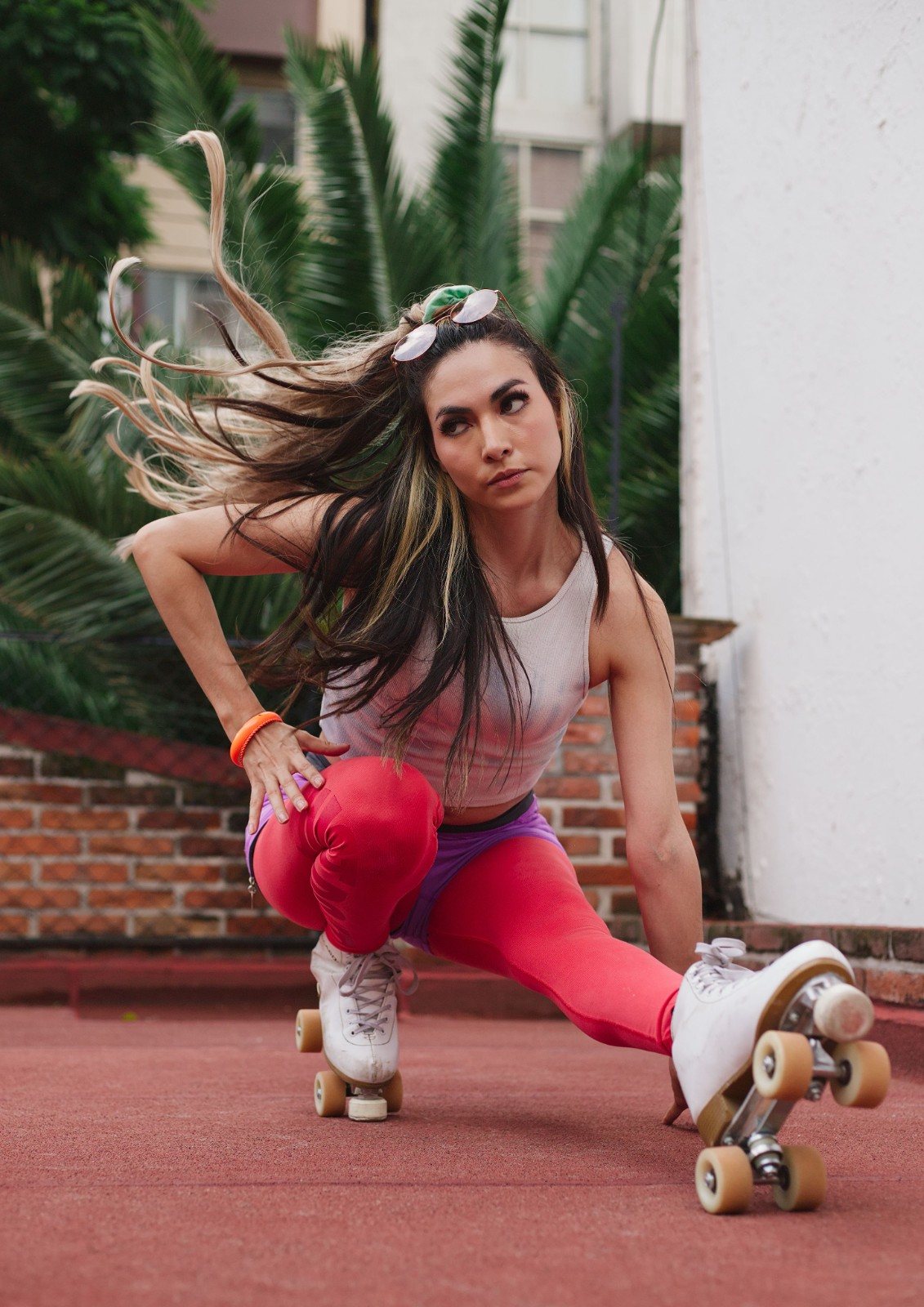
Skating Training FAQs
Helpful Questions About Skating Classes And Training
What is covered during a beginner skating class?
Beginner skating sessions introduce participants to essential skating habits, equipment awareness, body positioning, and controlled movement. Training may include standing comfortably on skates, maintaining balance, shifting body weight, starting forward, and practising simple gliding movements. Learners are gradually introduced to stopping and changing direction while focusing on stability, coordination, and comfortable movement before progressing to more challenging skating exercises.
Which skating techniques are taught in the training sessions?
Skating classes can cover posture, balance, forward gliding, stride development, weight transfer, turning, stopping, speed control, and directional movement. Participants may also practise backward skating, transitions, edge control, coordination drills, agility patterns, and controlled acceleration as their ability improves. Exercises are arranged progressively so learners can strengthen movement control, rhythm, stability, confidence, and overall skating technique through regular guided practice.
How can skaters improve their balance and movement control?
Balance and skating control develop through consistent repetition, guided exercises, and gradual improvement in movement technique. Skaters can practise stable body positioning, controlled weight shifting, smooth strides, turns, and stopping movements while maintaining proper posture. Regular drills also help improve coordination, leg strength, rhythm, reaction, and directional control, allowing learners to become more comfortable while moving at different speeds and across different skating patterns.
Are stopping, turning, and speed-control exercises included?
Yes. Training can include practical exercises focused on safe stopping, controlled turns, speed adjustment, and changes in direction according to the learner's current skill level. Participants can practise maintaining balance while reducing speed, changing their skating path, and managing movement through structured drills. These activities help develop confidence, coordination, stability, reaction ability, and better control when performing different skating movements during a session.
How do learners progress to advanced skating skills?
Skaters normally begin with fundamental balance and movement exercises before progressing toward stronger stride technique, turns, braking, backward movement, transitions, agility, and controlled speed work. As their skating ability develops, sessions can introduce more demanding movement combinations and technical drills. Progress is supported through regular practice, repeated exercises, coach guidance, improved coordination, and training activities that match the learner's current skating experience and comfort level.