Tennis Coaching
 Tennis Coaching
Improve Your Tennis Game Through Focused Training
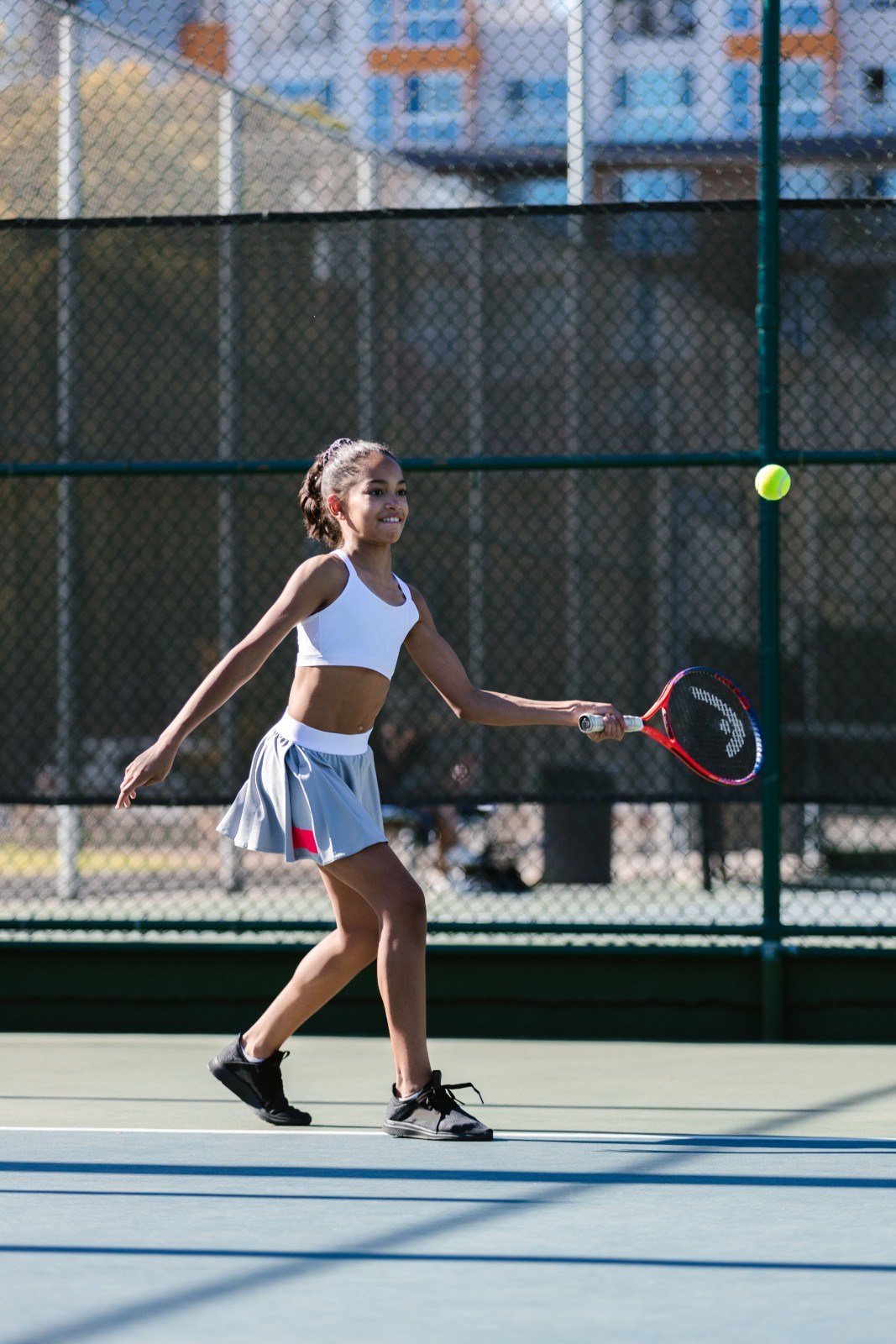
Our tennis coaching sessions are designed to help players strengthen their technique, court movement, coordination, and confidence through structured practice. Training focuses on racket control, forehand and backhand strokes, serving, footwork, positioning, volleys, and basic match play. Players work through guided drills, movement exercises, rally practice, and progressive activities that support consistency, shot control, court awareness, and overall tennis development at a suitable learning pace.
-

Racket Skills & Stroke Development
Develop forehand, backhand, grip, swing technique, ball contact, and controlled rally skills through progressive tennis drills and guided practice sessions.
-
Serving & Court Movement Techniques
Practise serving, footwork, court positioning, recovery, directional movement, volleys, and controlled shot placement through tennis-focused training activities.
Tennis Coaching Areas
Strengthen Your Technique
With
Focused Court Training

Forehand & Backhand
Build reliable groundstrokes through grip practice, racket positioning, swing control, ball contact, footwork, and progressive rally exercises matched to each player's level.
Serve And Volley Skills

Develop serving technique, ball toss, racket acceleration, volley control, net positioning, and reliable shot execution with targeted tennis drills and court-based practice.
Footwork & Match Play
Improve court coverage, recovery steps, directional movement, rally consistency, and match awareness through practical tennis exercises and controlled game situations.
 Tennis Coaching Plans
Select Your Tennis
Coaching Plan
Build stronger tennis fundamentals, improve racket control, court movement, and match confidence through guided drills and progressive coaching sessions.
Tennis Foundation Plan
- Introduction to tennis rules and court basics
- Proper racket grip and ready position
- Forehand and backhand fundamentals
- Basic ball contact and swing control
- Introductory tennis footwork exercises
- Simple serving and ball toss practice
- Beginner rally and shot placement drills
- Coordination and court confidence activities
Tennis Development Plan
- Consistent forehand & backhand development
- Improved footwork and court positioning
- Serve technique and placement practice
- Volley and net-play coordination drills
- Rally control with varied shot direction
- Recovery movement and court coverage
- Spin, timing, and controlled shot execution
- Practice games with tactical situations
Tennis Performance Plan
- Advanced groundstroke consistency & control
- Serve variations and strategic placement
- Faster footwork and court recovery patterns
- Advanced volley and attacking techniques
- Spin generation and shot variation practice
- Point construction & tactical decision-making
- Competitive rally and match-play exercises
- Performance-focused tennis movement drills
Note: Players should bring suitable tennis rackets, appropriate court shoes, and comfortable sportswear for training sessions. Additional equipment requirements may depend on the coaching activity. All courses include a certificate upon completion, with tennis coaching available on both weekdays and weekends for flexible scheduling.
Tennis Coaching Approach
Smart Tennis Training Builds Technique And Movement
Learn Essential Racket Techniques
Start with correct grip, ready position, forehand, backhand, ball contact, and basic swing mechanics to establish a dependable foundation for tennis practice.
Refine Skills With Court Drills
Develop serving, footwork, volleys, rally control, recovery steps, shot placement, and directional movement through structured tennis exercises and repeated practice.
Apply Techniques During Match
Put practiced skills into action through rally challenges, point-based exercises, movement patterns, and controlled games that develop decision-making and competitive confidence.
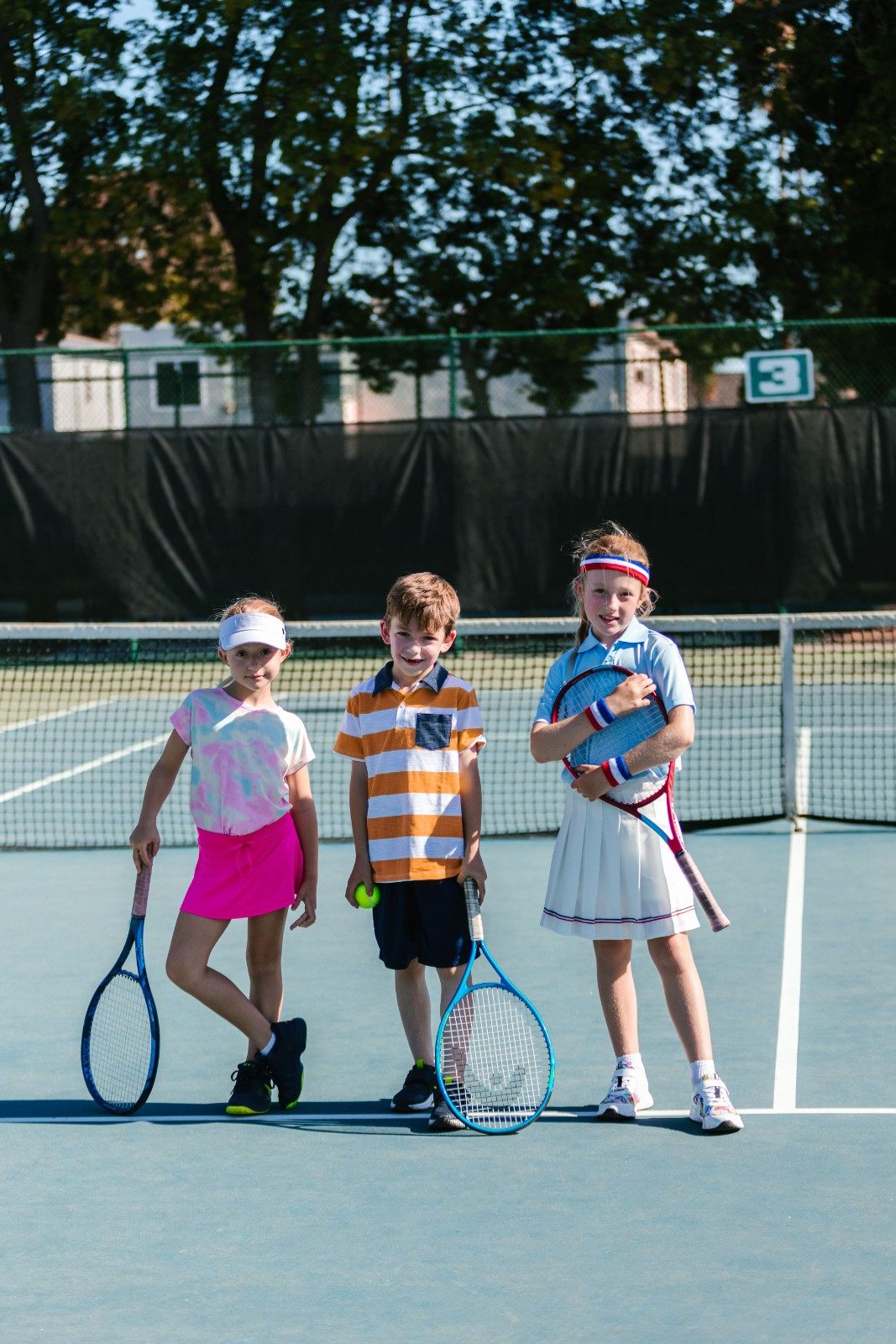
TENNIS COACHING
Serve • Rally • Perform
Tennis Coaching FAQs
Common Questions About Tennis Coaching And Practice
What do players learn during their first tennis coaching session?
The first tennis session introduces players to the court, racket handling, basic positioning, and simple movement patterns according to their existing experience. Training may include correct grip, ready position, forehand preparation, backhand movement, basic ball contact, and introductory rally exercises. Players can become familiar with the training routine while working on coordination, balance, racket control, and comfortable movement around the court before progressing into more detailed tennis techniques.
Which tennis techniques are covered in the coaching program?
Tennis coaching can include forehand and backhand strokes, serving, volleys, footwork, court positioning, rally control, shot placement, recovery movement, and basic point construction. Players may also practise ball tracking, timing, racket control, directional shots, net movement, and controlled returns. As learners develop, sessions can introduce spin, serve variations, tactical awareness, match situations, and competitive drills suited to their current tennis ability and training objectives.
How can players improve their strokes and racket control?
Stroke development comes through repeated practice, technical guidance, controlled rallies, and focused racket exercises. Players can work on grip, preparation, swing path, contact point, follow-through, balance, and timing for both forehand and backhand shots. Regular drills also support better footwork, coordination, consistency, and directional control, helping players produce more reliable shots while learning how to adjust their technique during different rally and court situations.
Are serving, footwork, and match-play exercises included?
Yes. Depending on the player's level, sessions may include serve preparation, ball toss, racket acceleration, footwork patterns, court positioning, recovery steps, volley practice, and controlled match-play activities. Players can apply their techniques through rally exercises and point-based situations while learning to respond to different shots. Practical training also develops movement efficiency, shot selection, court awareness, consistency, and confidence during active tennis play.
How do players advance from basic tennis skills to stronger match play?
Players usually progress from fundamental racket handling, movement, and stroke mechanics toward more consistent rallies, serving, volleys, court positioning, and point-based exercises. With continued practice, training can introduce greater shot variety, faster movement, tactical choices, spin control, and competitive match situations. Progress depends on regular attendance, focused repetition, coach feedback, and exercises selected according to the player's current tennis experience, technical development, and comfort on the court.