Volleyball Classes
 Introduction
Develop Your Volleyball Skills
Through Focused Training
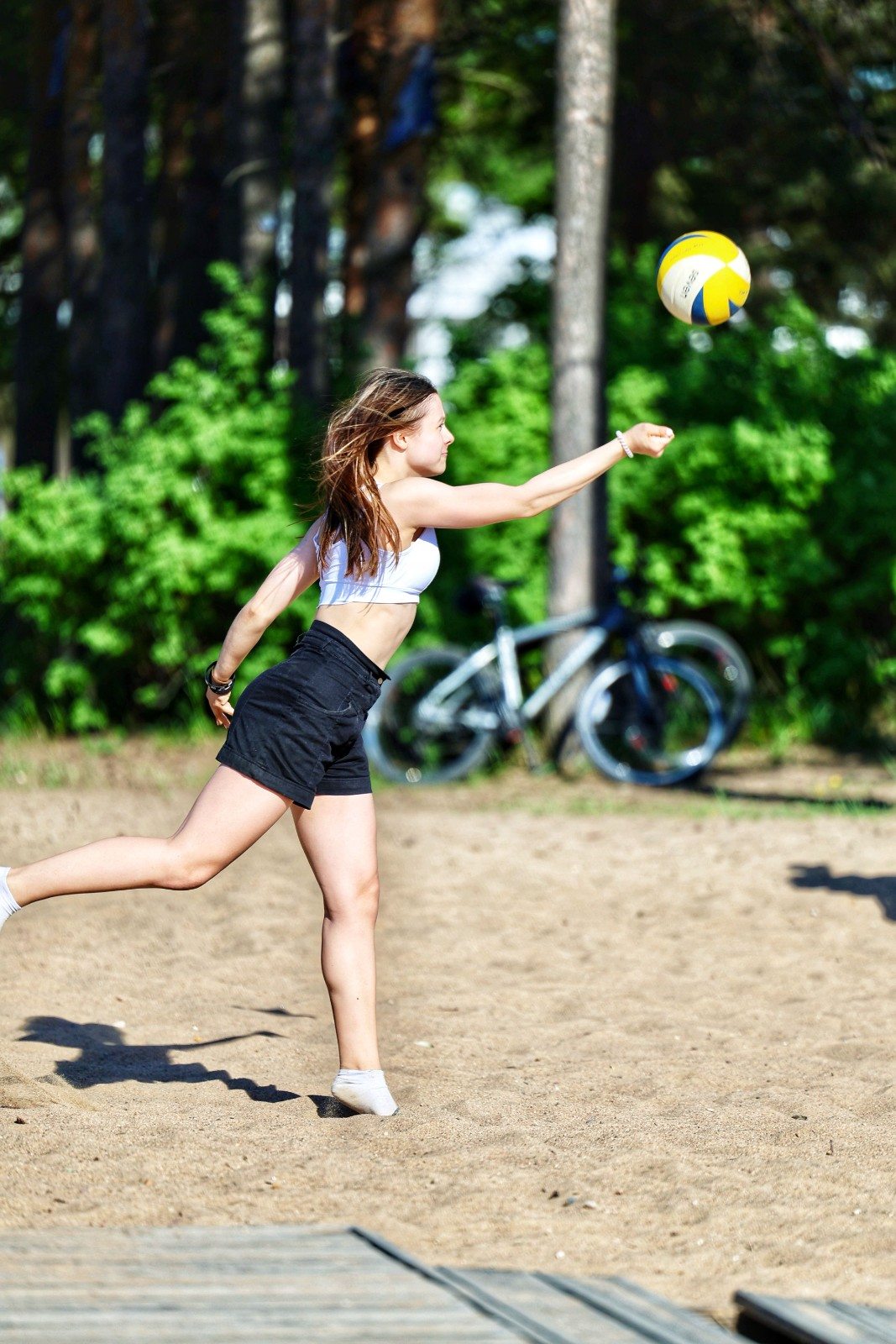
Our volleyball classes provide structured training that helps players develop proper techniques, coordination, movement, and confidence on the court. Training includes serving, passing, setting, attacking, defensive movements, and court positioning. Players also practice team coordination, communication, and game situations to build a better understanding of volleyball and improve their overall performance.
-

Passing And Ball Control
Learn proper forearm passing, receiving techniques, body positioning, and controlled ball movement during volleyball practice.
-
Serving And Attacking
Develop serving accuracy, setting skills, attacking movements, jumping technique, and better timing during practical drills.
Volleyball Training Benefits
What You Learn
Through Volleyball Training

Serving And Receiving
Learn proper serving technique, receiving posture, ball control, and accurate passing while developing better coordination during volleyball practice.
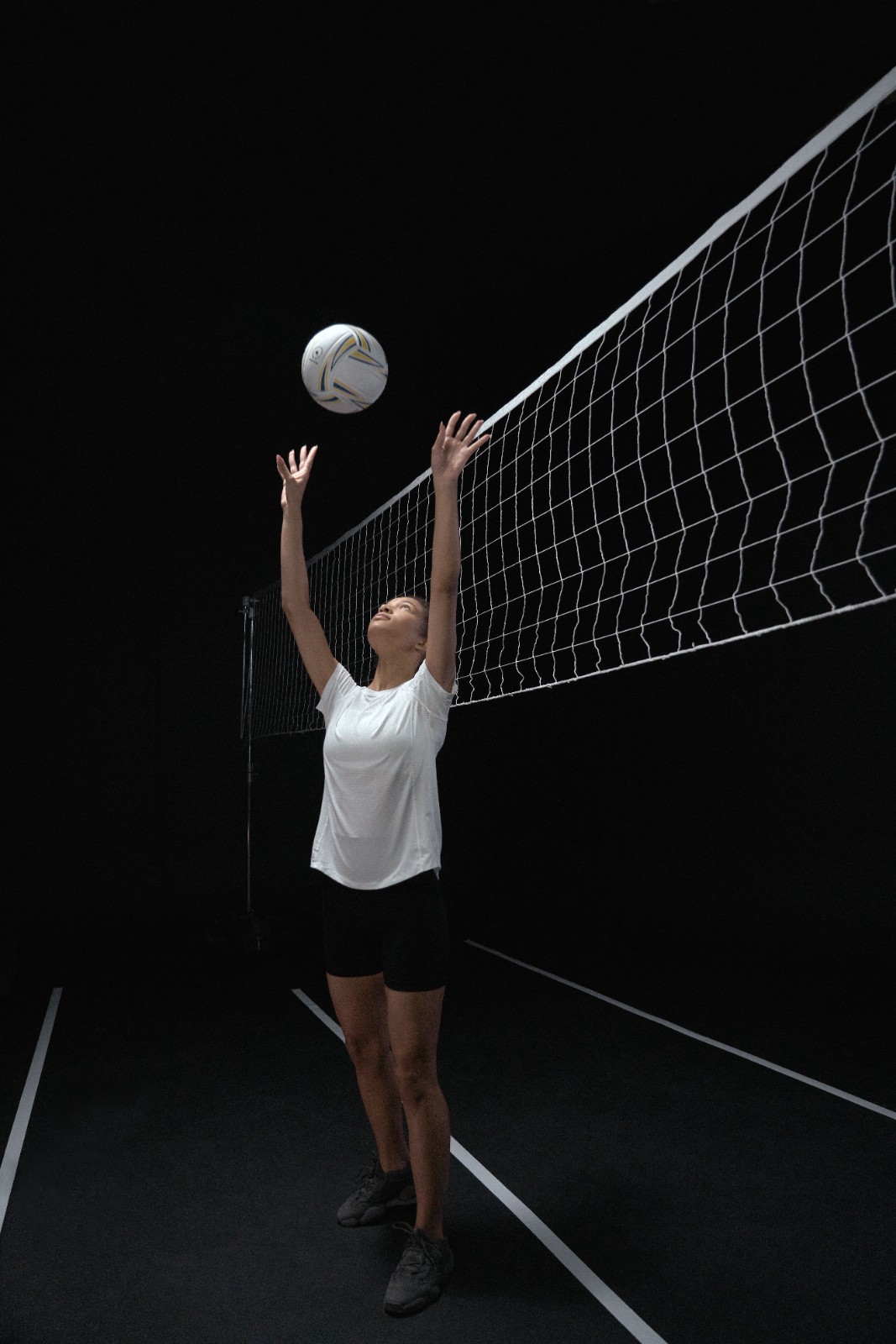
Setting And Attacking
Develop setting accuracy, attacking movements, jumping technique, timing, and controlled ball placement through focused volleyball drills.
Movement & Team Play

Improve court movement, positioning, communication, rotation awareness, teamwork, and decision-making during practical volleyball game situations.
 Volleyball Training Plans
Choose The Right Volleyball Training Plan
Beginner Plan
- Basic volleyball rules and court awareness
- Ready position and basic court movement
- Forearm passing and ball receiving
- Basic overhead setting technique
- Introduction to serving fundamentals
- Basic hand and eye coordination drills
- Simple net movement and positioning
- Teamwork and communication fundamentals
Regular Plan
- Improved forearm passing and ball control
- Accurate overhead setting and positioning
- Serving technique and placement control
- Approach movement and basic attacking skills
- Blocking position and net movement
- Court positioning and rotation awareness
- Defensive movement and ball recovery
- Team communication and coordinated play
Premium Plan
- Advanced passing and controlled ball
- Precise setting and attacking combinations
- Advanced serving technique and placement
- Spiking approach, timing, and execution
- Blocking technique and defensive positioning
- Advanced court movement and rotations
- Game awareness and tactical decision making
- Coordinated team play and match preparation
Note: Players should bring their required volleyball equipment, including suitable volleyball shoes and comfortable sportswear. Additional equipment may vary according to the training activity. All courses include a certificate upon completion, and sessions are available on both weekdays and weekends for flexible training.
How We Do
Push Your Limits and Discover What You Can Achieve
Build Court Fundamentals
Learn volleyball rules, ready position, court movement, passing, receiving, and essential techniques to build confidence.
Practice Through Drills
Improve serving, setting, attacking, movement, and coordination through focused volleyball drills and repeated skill practice.
Develop Team Play
Build court awareness, positioning, communication, rotation, teamwork, and decision-making through practical volleyball activities.
VOLLEYBALL TRAINING
Learn • Practice • Improve
FAQs
Common Questions About Volleyball Classes
How do volleyball classes begin?
Volleyball training begins with warm-up activities, basic court movement, ready position, coordination exercises, and an introduction to fundamental volleyball techniques based on the player's level.
What skills are taught during volleyball training?
Players learn serving, forearm passing, receiving, setting, attacking, court movement, positioning, rotation awareness, and basic game understanding through structured volleyball practice sessions.
How do players improve their volleyball technique?
Players improve through repeated skill drills, guided technique practice, movement exercises, ball control activities, and focused repetitions that develop timing, accuracy, coordination, and control.
Do volleyball classes include court practice?
Yes. Training can include serving practice, passing drills, setting exercises, attacking movements, defensive positioning, rotation activities, teamwork, and practical court situations based on the player's level.
How do players progress through volleyball training?
Players progress by developing basic techniques first and then improving serving, passing, setting, attacking, positioning, game awareness, communication, and coordinated team play through regular volleyball practice.